

Commercial Kitchen Equipment Checklist: Everything You Need to Open a Restaurant
Opening a brand-new restaurant is one of the most exciting journeys an ambitious entrepreneur can undertake, but setting up the heart of your kitchen operation requires meticulous organization and thorough planning. Every dish that leaves your pass relies on a synchronized sequence of cold storage, food preparation, cooking, and sanitation. Without a well-thought-out layout plan, your back-of-house staff can quickly run into costly operational bottlenecks that slow down service during high-volume service shifts.
Outfitting your facility with high-performing commercial kitchen equipment creates a seamless, safe, and highly efficient environment where cooks work comfortably and productively. Whether you're building out an existing space or designing a brand-new footprint from scratch, having a clear checklist helps you manage your overall budget effectively, comply with strict municipal health regulations, and keep your launch timeline right on schedule from start to finish.
Evaluating Heavy-Duty Cooking Units for Peak Performance
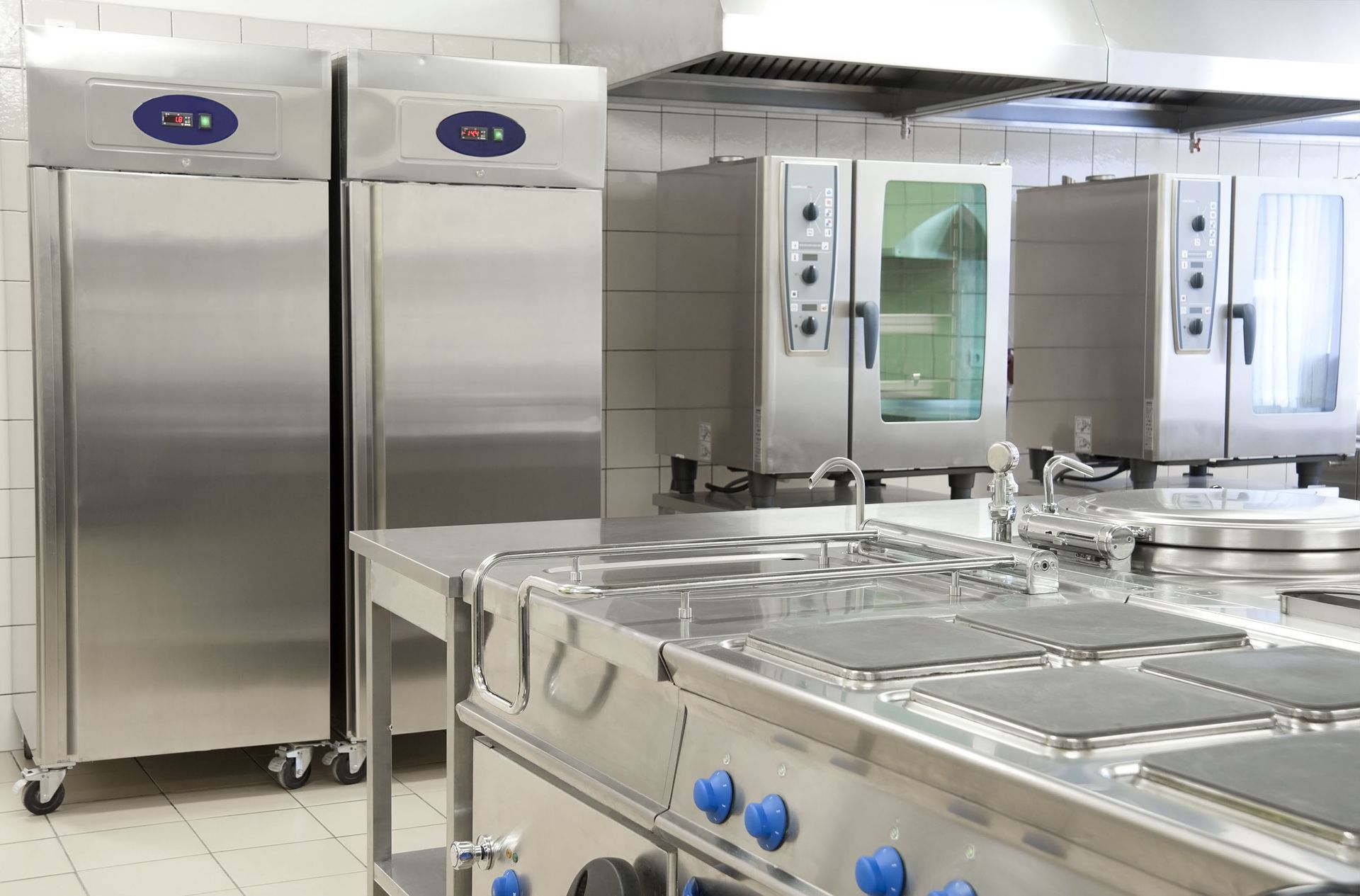
Your hot line forms the active engine of your entire culinary concept, executing every single order that comes through the kitchen ticket machine during peak operational hours. Selecting dependable commercial kitchen equipment for cooking ensures that your line cooks can execute dishes quickly, safely, and consistently. Depending on your specific menu, you'll likely need a tailored combination of heavy-duty gas ranges, convection ovens, deep fryers, charbroilers, and flat-top griddles.
High-capacity ranges allow your team to simmer stock pots and sear proteins simultaneously, while specialized appliances like salamanders add targeted finishing touches to your chef's signature items. Paying close attention to energy efficiency ratings, BTU output, overall durability, and recovery times when picking these units will significantly reduce monthly utility expenses while keeping plate presentation flawless across your most demanding dinner shifts throughout the week.
Mastering Commercial Refrigeration Systems for Food Safety
Maintaining strict temperature control is absolutely vital when handling perishable inventory, preventing costly food spoilage, and protecting your patrons every day. Proper cold storage solutions keep raw proteins, dairy, produce, and prepared sauces at safe levels throughout the entire day. According to FDA food safety guidelines, commercial cooling and refrigeration equipment in food service establishments must stay steadily at or below 40 °F to prevent bacterial growth and keep perishable items completely safe.
Beyond standard reach-in units and spacious walk-in coolers, placing refrigerated prep tables along your main assembly line gives cooks instant access to chilled ingredients during demanding rush hours. Investing in top-grade commercial kitchen equipment for cold storage guarantees that your cooling systems hold tight temperatures even when refrigerator doors open continuously during your busiest shifts throughout the week.
Organizing Ergonomic Food Prep Areas for High Efficiency
Long before any dish reaches the heat of the cook line, your ingredients spend significant time in the preparation zone getting properly prepped. Equipping this area with durable, ergonomic tools accelerates prep work and keeps your kitchen crew organized throughout each shift. Stainless steel worktables provide non-porous surfaces that resist staining and harbor no bacteria, making them the standard choice for high-volume prep work in modern kitchens.
High-capacity food processors, commercial meat slicers, and heavy-duty planetary mixers drastically reduce manual labor hours, enabling your team to focus on flavor development and uniform prep quality for your customers. Positioning ingredient bins, trash receptacles, and clean storage shelving directly around these prep tables keeps movement fluid and prevents unnecessary cross-kitchen traffic during busy morning prep hours every day.
Installing Specialized Ventilation Hoods for Code Compliance
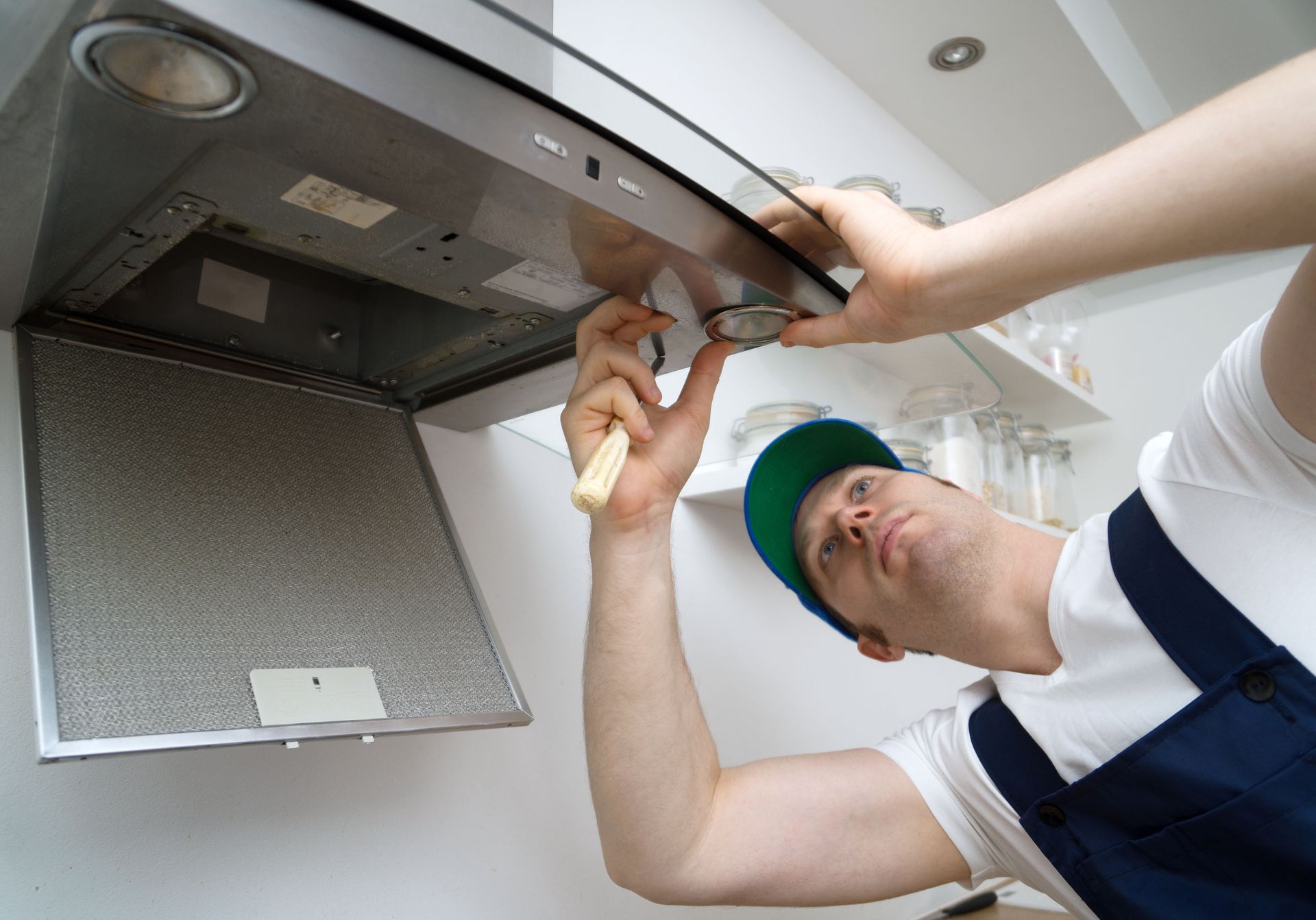
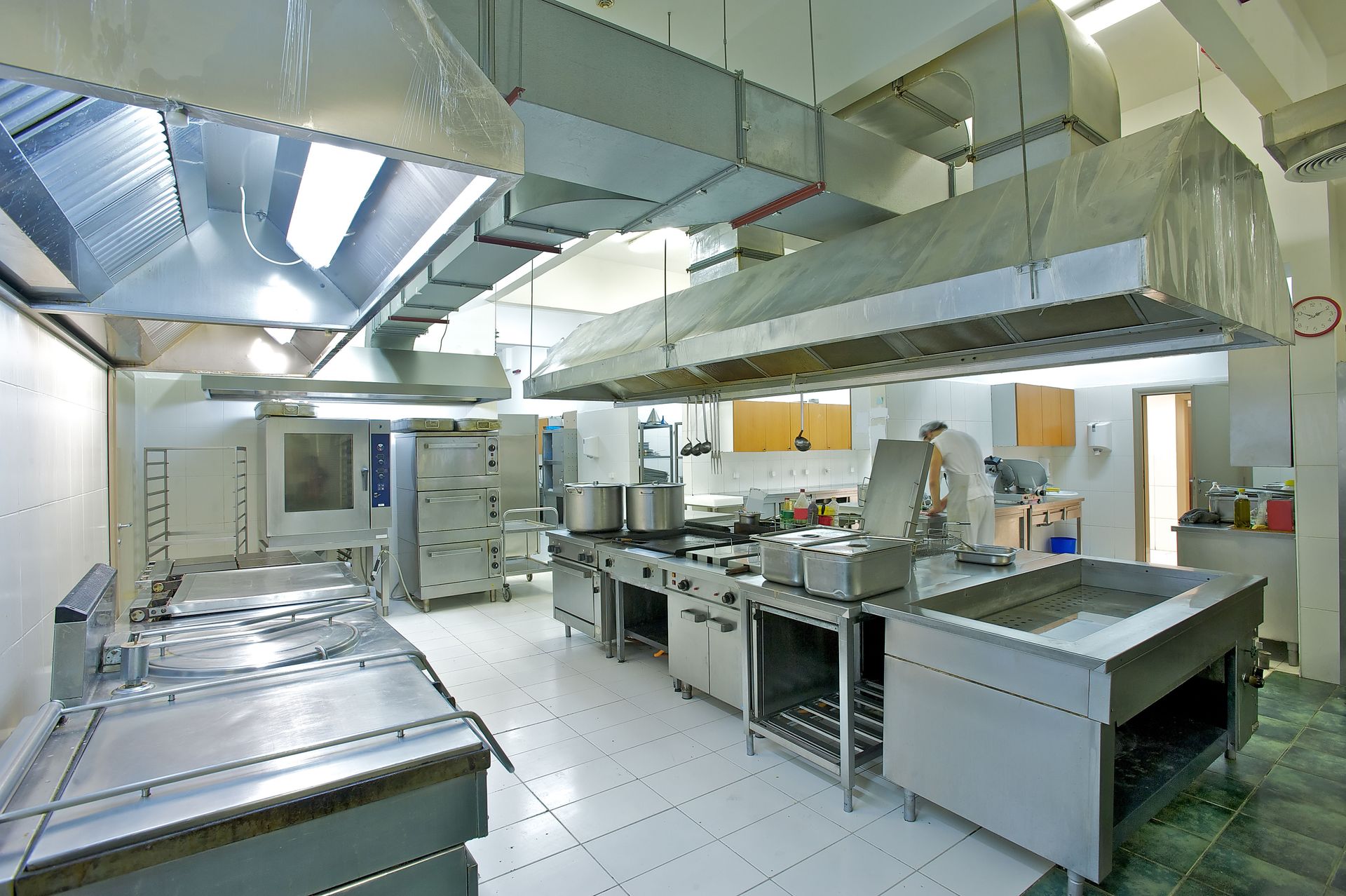
Excessive heat, smoke, steam, and airborne grease accumulate quickly inside a working commercial environment. Installing custom kitchen ventilation hoods and exhaust systems keeps air circulating effectively while protecting your culinary team from hazardous working conditions. Commercial ventilation systems aren't just a comfort feature; they're strictly mandated by local building, health, and fire codes.
Exhaust hoods pull hot air and grease vapor away from your cooking line, while makeup air units deliver fresh, tempered outside air back into the building to maintain balanced air pressure. Sourcing reliable commercial kitchen equipment for air handling ensures that your restaurant passes municipal inspections smoothly and operates safely for years to come.
Designing Custom Sheet Metal Fabrication for Unique Spaces
Every commercial kitchen footprint presents unique architectural challenges, from odd structural columns to tightly constrained wall lengths. Standard, mass-produced stainless steel tables don't always fit snugly into awkward corners, leaving wasted space and gaps that trap food debris.
Custom sheet metal fabrication allows you to design tailored stainless steel counters, seamless sink stations, wall cladding, and specialized shelving that maximize every square inch of available floor space. Utilizing state-of-the-art techniques like high-precision laser cutting helps build a clean, cohesive work environment that optimizes workflow for your staff while making daily deep cleaning vastly easier and fully compliant with local health department standards.
Setting Up Commercial Warewashing Stations for Sanitation Rigor
Keeping cookware, service plates, and glassware spotless is just as critical to your business as serving delicious food. A back-up at the dish pit can rapidly paralyze your dining room operations and hurt your reputation. High-capacity commercial dishwashers clean and sanitize dirty dishware in minutes, ensuring your front-of-house team always has clean plates and glassware ready.
In addition to primary dish machines, every compliant kitchen requires a three-compartment sink for manual washing, rinsing, and sanitizing, alongside dedicated handwashing sinks situated near prep stations. Outfitting this station with sturdy drying racks and wall-mounted shelving keeps clean inventory off the floor and readily accessible to servers and cooks.
Selecting Quality Smallwares and Storage for Daily Workflow
The smaller tools scattered throughout your kitchen bind your entire food preparation process together. Stocking up on robust smallwares, including chef knives, tongs, silicone spatulas, sheet pans, cast iron cookware, and stainless steel saucepans, ensures that every cook works without waiting for shared gear.
Structured dry storage is equally critical; heavy-duty wire shelving units keep dry ingredients elevated off the floor while promoting necessary air circulation throughout your pantry. Utilizing clear, food-grade plastic storage containers with tight lids simplifies stock rotation, protects dry goods from moisture, and helps your management team maintain accurate inventory levels week after week.
Implementing Routine Maintenance Schedules for Equipment Longevity
Purchasing your initial setup is a major capital investment, making long-term preventative maintenance a top priority for your financial peace of mind. Regularly cleaning grease traps, servicing compressor coils on cooling units, and calibrating oven thermostats prevents unexpected breakdowns during high-volume service hours.
Establishing a strong working relationship with local suppliers who honor original manufacturers' warranties gives you complete confidence when unforeseen technical issues occur over time. Choosing durable commercial kitchen equipment built by reputable manufacturers guarantees that replacement parts remain easily accessible, protecting your operational investment and keeping your kitchen producing top-quality meals year after year.
Bringing a restaurant concept to reality demands strategic planning, quality investments, and dependable operational equipment. By systematically working through your equipment checklist, covering cooking ranges, refrigeration, custom sheet metal fabrication, ventilation, and sanitation stations, you build a sturdy foundation for culinary success and high daily turnover.
Choosing premium commercial kitchen equipment engineered for heavy commercial use ensures your kitchen runs smoothly from day one, allowing your kitchen team to focus on delivering fantastic culinary experiences to every guest who walks through your doors. Call or text A-1 Restaurant Supply today to discuss your project needs and discover how our custom fabrication capabilities and commercial equipment solutions can bring your dream restaurant to life.
Share On: