

Grease Buildup and Fire Risk: Why Kitchen Hood Installation Matters More Than You Think
In busy commercial and residential kitchens alike, maintaining a safe and efficient cooking environment requires constant attention to underground and overhead infrastructure. Daily food preparation releases high volumes of smoke, steam, heat, and vaporized oil into the surrounding air. Without effective ventilation, these airborne particles quickly coat walls, ceilings, and surrounding cooking equipment with a sticky layer of residue. Investing in quality kitchen hood installation creates a direct pathway for airborne grease and fumes to be safely extracted before they can settle onto indoor surfaces. Proper ventilation not only keeps work areas clean and odor-free, but it also establishes the primary defense against indoor air pollution. Understanding how these systems function reveals why professional installation is critical for long-term kitchen health and operational safety.
Hidden Dangers of Heavy Grease Accumulation
As food cooks at high temperatures, fats and oils vaporize and join the rising heat plume above stoves and fryers. When this grease-laden air cools, it condenses into a thick, highly flammable liquid that clings to exhaust hoods, filters, and internal ductwork. Over time, continuous cooking activity causes this residue to harden into a flammable coating that acts as fuel for potential fires. A minor flare-up on a cooktop can easily ignite grease deposits trapped inside ventilation channels, causing flames to spread rapidly through entire building structures. Scheduling professional kitchen hood installation ensures that exhaust systems are designed to capture vaporized oils efficiently before they accumulate in hard-to-reach areas. Addressing grease collection early keeps working kitchens clean and dramatically reduces severe fire hazards.
Cooking Methods and Their Influence on Risk Levels
Different cooking techniques emit varying amounts of airborne grease and moisture, impacting overall air quality inside food preparation spaces. High-heat methods like deep frying, wok searing, charbroiling, and sautéing generate heavy concentrations of vaporized oils compared to gentle baking or boiling. According to the U.S. Fire Administration, cooking equipment is the leading cause of all restaurant building fires at 59%. Because high-intensity cooking techniques produce continuous thermal plumes, relying on inadequate ventilation significantly elevates structural fire risks. Selecting the right setup during kitchen hood installation guarantees that airflow capacities match the specific output of your cooking line, keeping heat and flammable vapors under control during peak operating hours.
Essential Structural Components of an Exhaust Hood
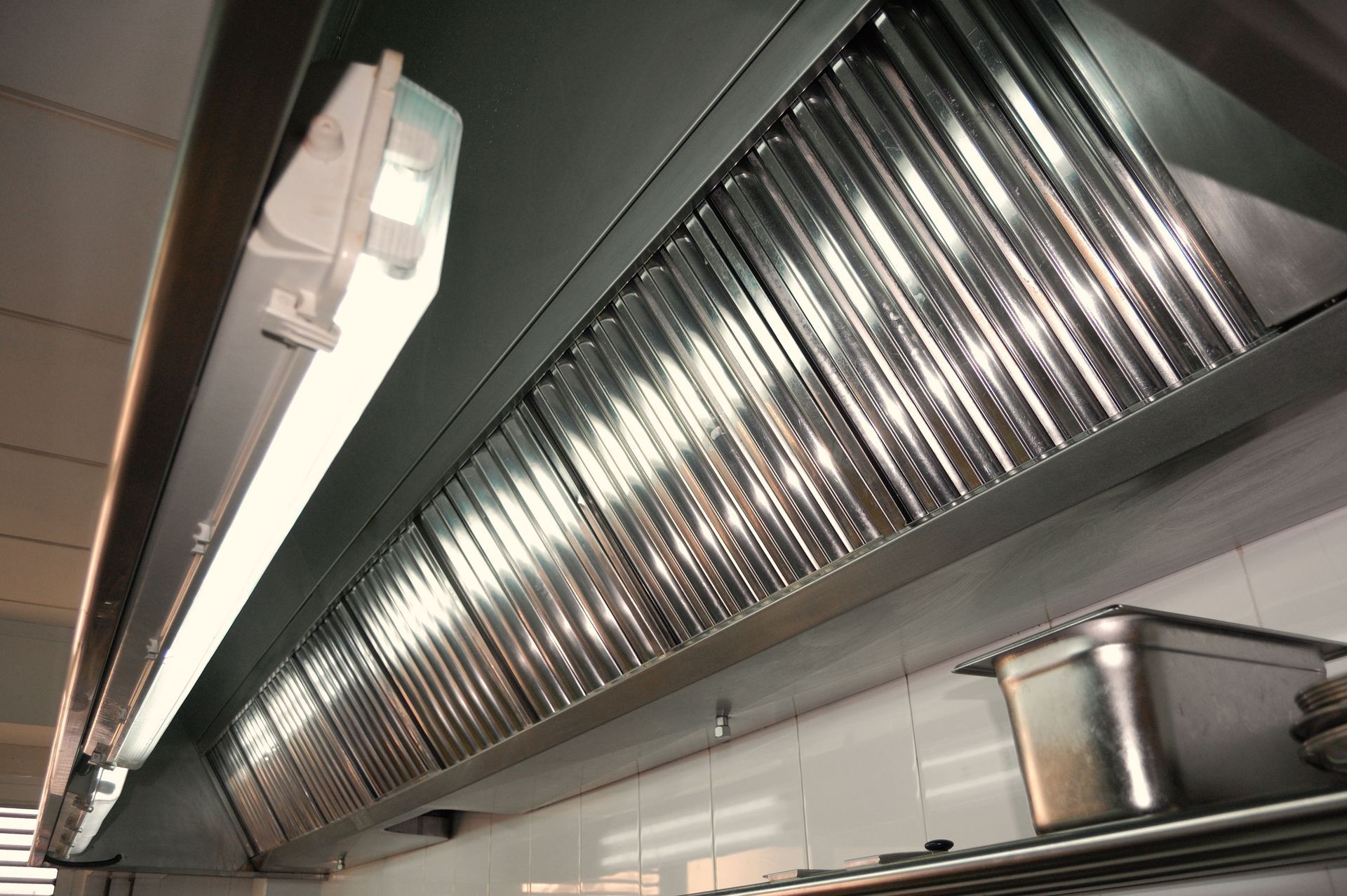
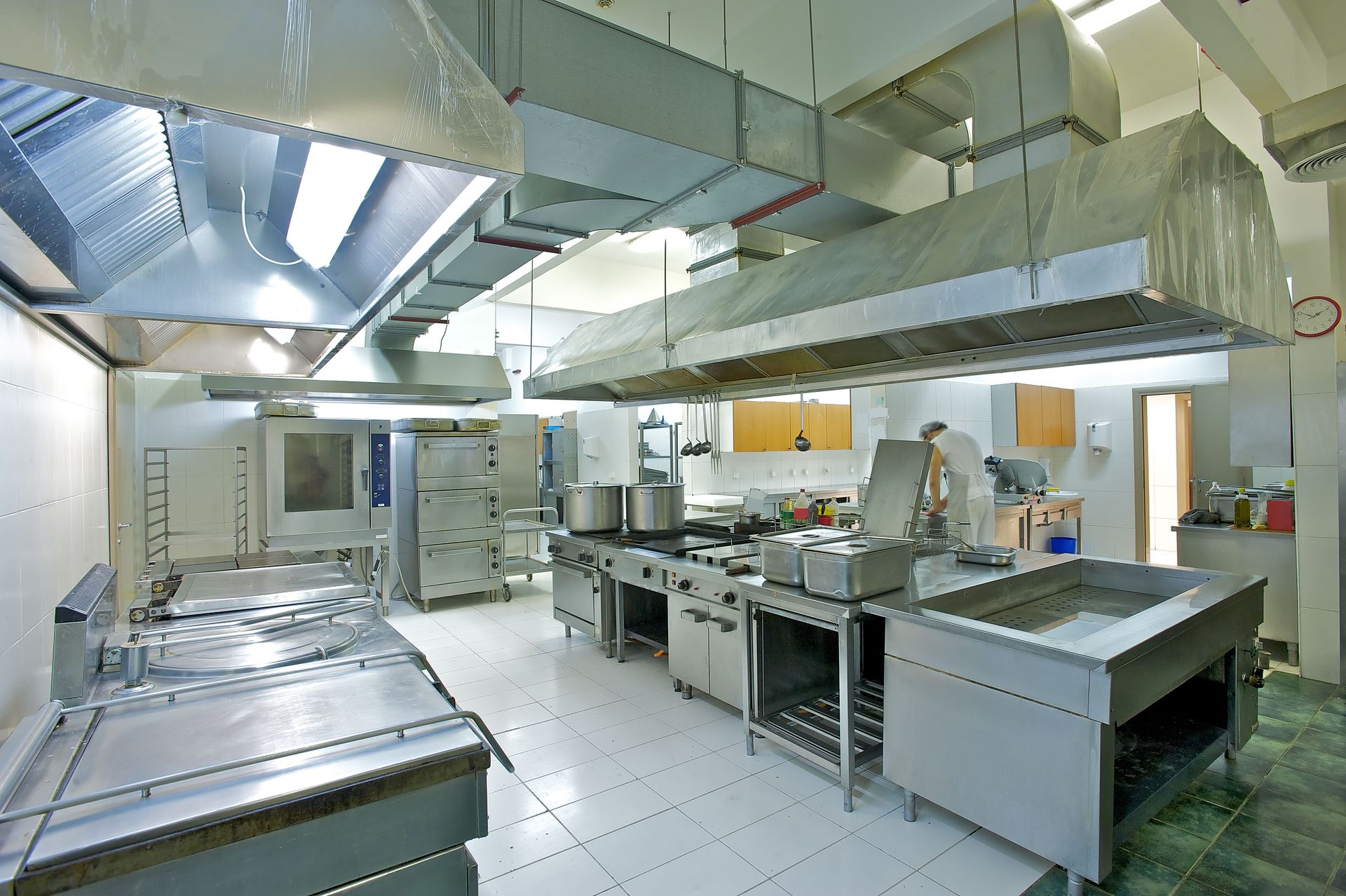
A complete kitchen ventilation setup consists of several interconnected components working together to draw contaminated air out of the building. The exterior hood canopy hangs directly above cooking appliances to capture rising heat, while baffle filters capture heavy liquid droplets from the airstream. Stainless steel ductwork then channels the remaining air toward an outdoor fan unit mounted on the roof or exterior wall. Every joint, seal, and turn in the ducting must be aligned precisely to maintain proper static pressure and prevent oil leaks behind walls. Executing precise kitchen hood installation ensures that all components function smoothly together, providing continuous exhaust power that keeps indoor environments clean and secure.
Fire Safety Regulations and Building Codes
Commercial kitchens must adhere to strict local fire codes, mechanical standards, and health department regulations designed to safeguard buildings and staff. Regulations require specific airflow rates, clearance distances from combustible materials, and integrated fire suppression features over heat-producing equipment. Failing to meet these strict building guidelines can lead to failed inspections, costly operational delays, or forced business closures. Professional kitchen hood installation guarantees that every aspect of the exhaust system complies fully with regional fire safety codes and industry standards. Meeting these mandatory requirements provides peace of mind while protecting your capital investment from regulatory penalties.
Equipment Strain and High Energy Costs
An improperly sized or poorly positioned exhaust system places unnecessary stress on building HVAC systems and exhaust fan motors. When air velocity is miscalculated, exhaust fans must work much harder to pull heavy vapors out, leading to increased electricity consumption and premature mechanical failure. Furthermore, inadequate exhaust creates severe negative air pressure inside the building, drawing unwanted heat or humidity into dining rooms and prep areas. Coordinating proper kitchen hood installation establishes balanced airflow dynamics, ensuring smooth air exchange without wasting energy. Proper system balance reduces monthly utility expenses, protects fan motors from early wear, and maintains comfortable temperatures for staff and patrons.
Indoor Air Quality and Staff Comfort
Working in a hot, smoky kitchen leads to physical fatigue, heat stress, and breathing discomfort for culinary staff over long shifts. Fine grease particulates and combustion gases trapped indoors degrade overall air quality, creating an uncomfortable work environment that can lower productivity. Powerful exhaust systems constantly replace stale, heated air with fresh outdoor air, maintaining cooler indoor temperatures and clear visual conditions. Prioritizing kitchen hood installation improves daily working conditions by rapidly removing toxic fumes, excessive heat, and airborne oil mist from busy prep lines. Creating a comfortable, well-ventilated workspace helps retain valuable staff members while boosting overall operational performance.
Property Damage and Ongoing Repair Costs
Uncontrolled grease vapors do not remain confined to the cookline; they drift across prep spaces, settling on floors, light fixtures, and ceiling tiles. Over time, greasy buildup turns floors slippery, damages wall finishes, and creates unpleasant odors that linger throughout the building. This pervasive film also settles inside refrigeration coils and electronics, causing premature equipment breakdowns and expensive service calls. Correctly completed kitchen hood installation intercepts airborne contaminants right at the source, preventing sticky residues from coating neighboring appliances and finishes. Protecting interior surfaces from oil damage extends the lifespan of kitchen equipment and keeps routine cleaning manageable.
Long-Term Reliability Through Proper Setup
Every commercial kitchen space features a unique structural layout, requiring customized air handling solutions that account for ceiling height, wall construction, and roof access. Attempting to fit standardized equipment without evaluating structural constraints can cause air leaks, vibration noise, and weak exhaust performance. Professional kitchen hood installation incorporates precise engineering calculations to choose correct hood dimensions, fan capacities, and duct routes tailored specifically to your building. Customized fitting ensures that exhaust systems operate quietly and effectively under demanding daily use. Investing in correct initial setup prevents structural issues and delivers consistent performance for years to come.
Business Operations and Property Value
A catastrophic kitchen fire causes severe financial losses, including structural damage, inventory destruction, temporary business closures, and increased insurance premiums. Even small fires that are quickly extinguished can result in extensive smoke damage and ruined equipment, interrupting service for weeks. Property owners who prioritize proactive safety measures protect their physical assets, business reputation, and daily revenue streams. Scheduling kitchen hood installation is a foundational step in building a resilient food service enterprise that operates safely day after day. Establishing robust fire prevention safeguards gives business owners complete confidence in their daily facility operations.
Proactive Steps for Total Kitchen Safety
Maintaining a safe, productive, and code-compliant cooking facility demands reliable ventilation equipment and proactive safety management. Taking action before grease accumulation causes severe property damage or fire hazards is essential for every kitchen operator. Visualizing your layout, understanding your cooking equipment output, and addressing airflow needs allows you to make informed infrastructure decisions. Quality ventilation safeguards your staff, protects high-value cooking line assets, and preserves indoor air clarity. Choosing reliable equipment and professional setup guarantees that your kitchen remains secure, comfortable, and fully operational through every busy shift.
Equipping your commercial facility with high-performing ventilation systems is essential for long-term safety, air quality, and regulatory compliance. Proper kitchen hood installation provides the reliable grease extraction and fire protection required to keep your business running smoothly without interruption. When you are ready to enhance your kitchen infrastructure with top-tier commercial appliances and ventilation equipment, turn to experienced industry leaders. Contact A-1 Restaurant Supply today to discover dependable equipment solutions engineered to protect your facility and optimize your daily operations.
Share On: