

Why Exhaust Hoods are the Real Workhorses of Commercial Kitchen Design
In the realm of commercial kitchen design, exhaust hoods play a pivotal role in maintaining a safe, efficient, and hygienic environment. This article explores the critical importance and multifaceted roles of restaurant kitchen hoods.
What Role Do Exhaust Hoods Play in Air Quality Control?
Understanding Air Filtration
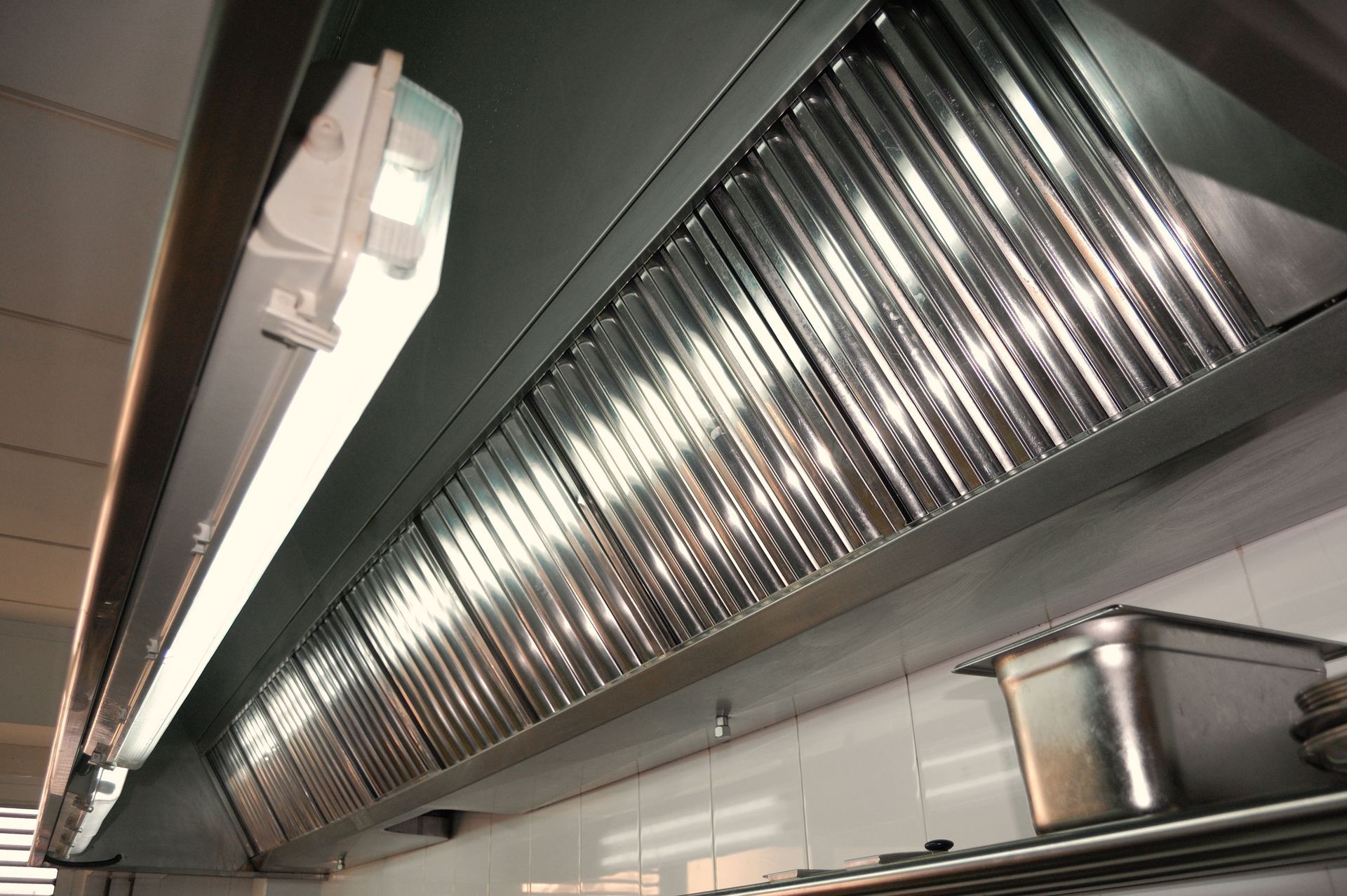
Exhaust hoods are essential in filtering air, removing not only the smoke and vapors but also harmful particulates and gases that may arise during extensive cooking processes. They function by sucking up the air and passing it through a system of filters that trap grease and other particulates, releasing clean air back into the kitchen.
Given that, according to Fortune Business Insights, kitchen hoods make up 38.83% of the commercial kitchen ventilation market, their significant role in air filtration is a testament to their effectiveness and vital presence in modern kitchen designs. Exhaust hoods ensure the air quality is maintained at optimal levels, preventing potential health risks associated with poor air quality.
Reducing Humidity and Heat
The intense heat generated by various cooking appliances combined with the steam from cooking can increase the kitchen's humidity and temperature. Exhaust hoods assist in drawing out this excess heat and moisture, ensuring a comfortable working environment for kitchen staff, reducing the chance of thermal distress.
By effectively managing humidity and temperature, these systems help to prevent the deterioration of kitchen surfaces and maintain optimal cooking conditions. This mitigation of excessive heat and humidity is key to preserving both the kitchen equipment's longevity and the health of those working within such facilities.
Odor Removal and Management
Commercial kitchens often produce a multitude of smells which, without proper management, can linger and permeate surrounding spaces. Restaurant kitchen hoods address this by capturing odors at their source, preventing them from spreading.
Effective odor management not only contributes to more pleasant working conditions for staff but also enhances the dining experience for patrons by preventing food odors from escaping the kitchen area. This crucial function underscores their importance not just in air quality control, but also in broader restaurant operations.
Importance of Regular Maintenance
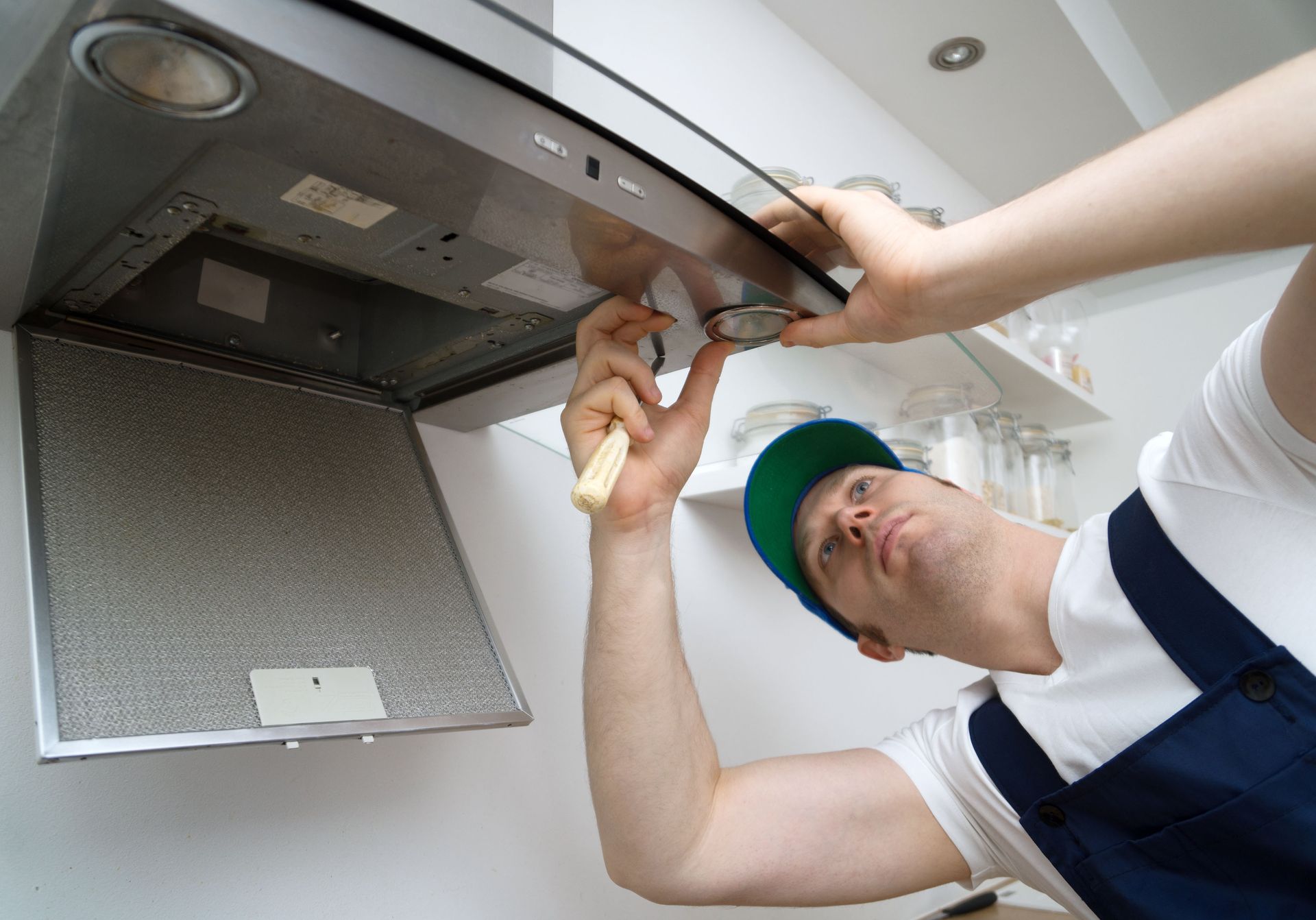
To sustain effectiveness, regular maintenance of exhaust hoods is non-negotiable. The buildup of grease and particulate matter can significantly impede the hood’s performance, necessitating routine checks and cleanings to keep them functioning efficiently.
Proper maintenance not only extends the lifespan of the equipment but also guarantees continuous optimization of air quality. Restaurants must prioritize regular inspections by professionals who can identify potential issues before they become severe, ensuring uninterrupted kitchen operations.
How Do Exhaust Hoods Enhance Kitchen Safety?
Fire Hazard Mitigation
Grease accumulation is one of the primary fire hazards in commercial kitchens. Exhaust hoods mitigate this risk by consistently extracting grease-laden vapors and trapping them in filters, preventing excessive accumulation.
This proactive management of fire hazards is crucial, considering the high-intensity nature of restaurant kitchens. By maintaining clear airways and regularly cleaning the systems, the risk of fires can be significantly minimized, thereby safeguarding both staff and property.
Compliance with Safety Standards
Exhaust systems must adhere to strict safety standards and codes to ensure a safe working environment. Restaurant kitchen hoods are integral in maintaining compliance with these regulations by incorporating necessary design and safety features.
Failure to comply with these standards can result in penalties or worse, putting staff and clientele at risk. Therefore, keeping exhaust systems in line with safety standards is both a legal and moral obligation for restaurateurs aiming to ensure operational safety.
Prevention of Grease Build-Up
A critical responsibility of an exhaust hood is the prevention of grease build-up on surfaces and equipment which poses a significant fire risk. By capturing grease particles before they can settle, restaurant kitchen hoods maintain cleaner, safer cooking environments.
This preventative measure not only reduces cleaning burdens on staff but also enhances the overall safety and cleanliness of kitchen spaces—key components in efficient kitchen management and health adherence.
Protecting Kitchen Staff Health
Good ventilation through effective exhaust systems directly impacts staff health by minimizing exposure to harmful pollutants. Prolonged exposure to oil fumes and smoke can have detrimental effects, which is alleviated by well-maintained hoods.
Investing in high-quality and regularly serviced exhaust systems demonstrates a commitment to staff welfare, potentially leading to higher job satisfaction and retention rates. This aspect emphasizes the importance of a holistic approach to workforce safety and health.
What Are the Types of Restaurant Kitchen Hoods Available?
Types Based on Functionality
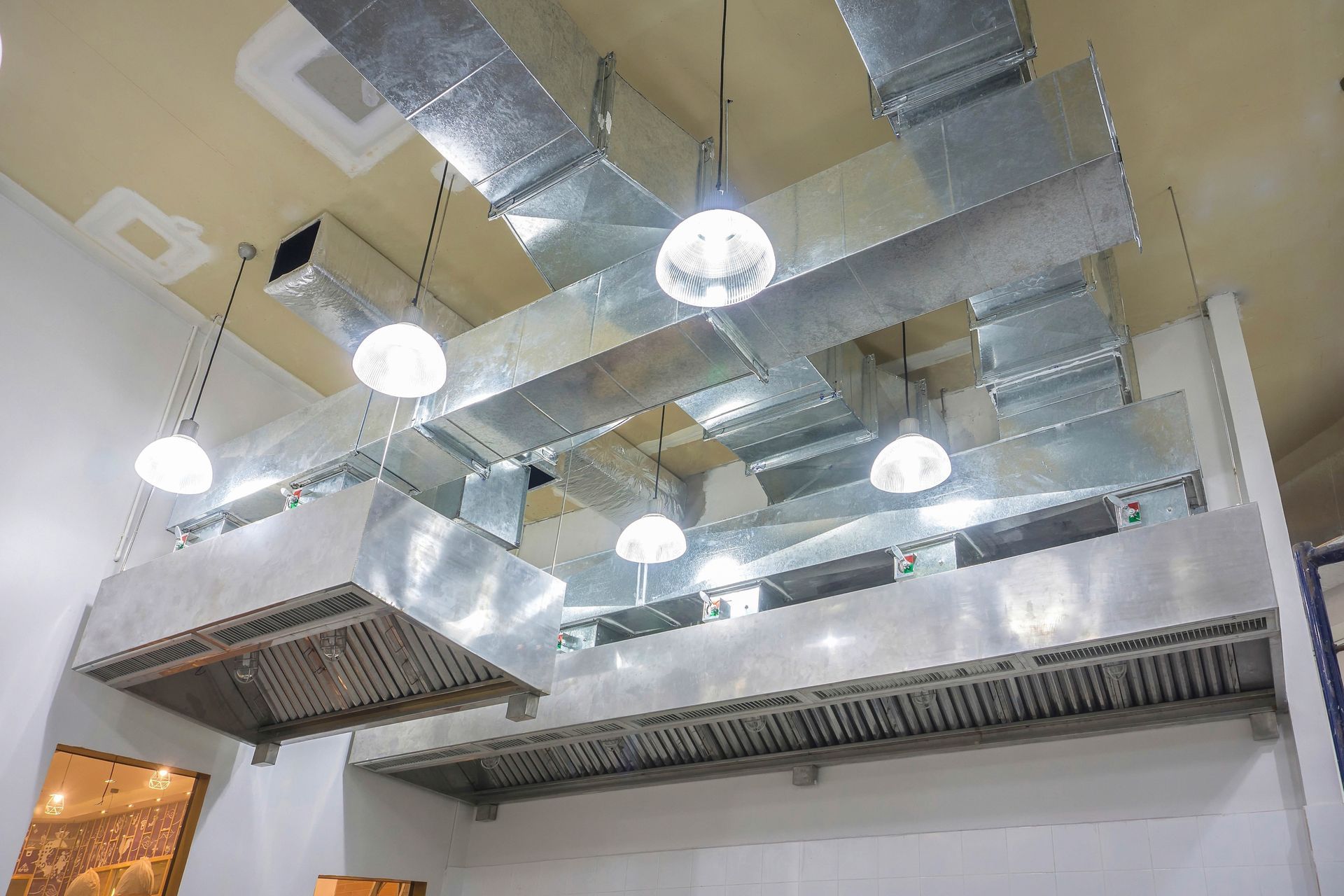
Exhaust hood systems vary in functionality, from simple wall-mounted designs for smaller kitchens to more sophisticated canopy and island hoods for larger operations. Their primary function remains consistent: efficiently removing kitchen exhaust.
Choosing the appropriate functionality depends on the specific needs of a kitchen and its layout, ensuring optimal air exchange processes tailored to each kitchen's operational demands and space constraints.
Differences Between Ducted and Ductless Systems
There are key differences between ducted and ductless systems. Ducted hoods are connected to an external exhaust system, offering superior air quality control by venting air outside the building, whereas ductless hoods filter and recirculate the air internally.
The choice between ducted and ductless depends on building infrastructure and specific air quality needs. While ducted systems are generally more effective in larger setups, ductless hoods serve as practical alternatives for smaller or renovation-limited spaces.
Choosing the Right Size and Style
Selecting the right size and style of exhaust hood is paramount, as undersized or over-performing hoods can lead to inefficiencies and increased energy costs. The hood must fit the specific spatial and functional requirements of the kitchen.
Styles vary from sleek modern designs to traditional setups, allowing for customization in line with a restaurant’s aesthetic while ensuring effective ventilation. The correct sizing and style bolster both functionality and visual appeal.
Energy Efficiency Considerations
Energy consumption is a decisive factor in the selection of exhaust hoods, as these systems can contribute significantly to a restaurant’s operational costs. Energy-efficient models incorporate advanced technologies to minimize consumption while maximizing output.
Utilizing energy-efficient exhaust hoods not only aids in reducing the environmental footprint but also aligns with cost-saving initiatives, reinforcing sustainable practices and financial prudence in restaurant operations.
What is the Installation Process for a Kitchen Hood?
Initial Planning and Design
Installation begins with meticulous planning and design, taking into account spatial dynamics, airflow requirements, and the specific cooking processes. Collaboration with both designers and ventilation experts ensures optimal setup.
The design phase also includes considerations of potential future expansions or modifications, offering a setup that remains adaptive to the evolving needs of a bustling commercial kitchen environment.
Permits and Regulations
Understanding and obtaining necessary permits and adhering to applicable regulations are critical steps in the installation process. Failing to comply can lead to operational delays or legal repercussions.
Engaging with local authorities and regulatory bodies early in the planning phase ensures that all codes are met, and installation proceeds smoothly without administrative hitches, safeguarding both efficiency and compliance.
Installation and Costs
The actual installation involves precise placement and connection of the restaurant kitchen hood to exhaust and filtration systems. Costs vary based on complexity, materials, and size but investing in a quality installation offers long-term savings and efficiency.
Professional installation is recommended to ensure safety standards are met and the system operates at peak performance, balancing initial expenses with operational gains through proficient design execution. Reach out to A-1 Restaurant Supply today to see how we can help you!
Share On: